


Angie's
dog blog
After working with thousands of dogs and their humans, I’ve seen just about everything… The struggles, the breakthroughs, and the everyday moments that make it all worth it. This blog is where I share what I’ve learned along the way to help you understand, learn, and train your dog with confidence.
Reward Vs Bribe
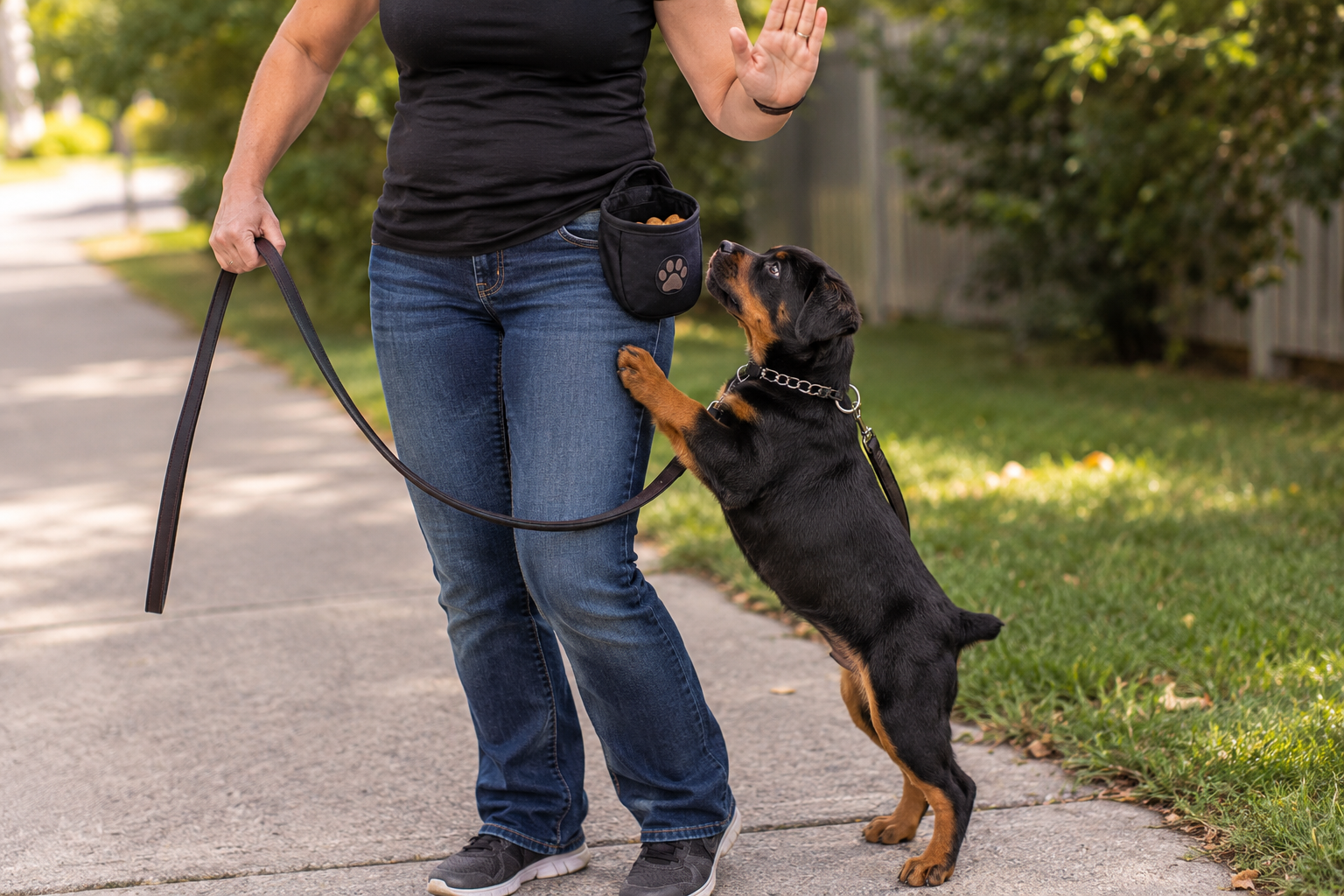
When a client arrives wearing a treat bag, I usually smile and say, “I see you've got your wallet.”
It usually gets a laugh, but there's an important training principle behind it.
A bait bag is essentially a wallet your dog can see. It hangs from your waist, it's full of food, and dogs are exceptionally good at recognizing patterns. It doesn't take long before the dog understands exactly what that pouch represents.
The treat bag is on. Food is available. It's worth paying attention.
Stop Touching Every Dog You See
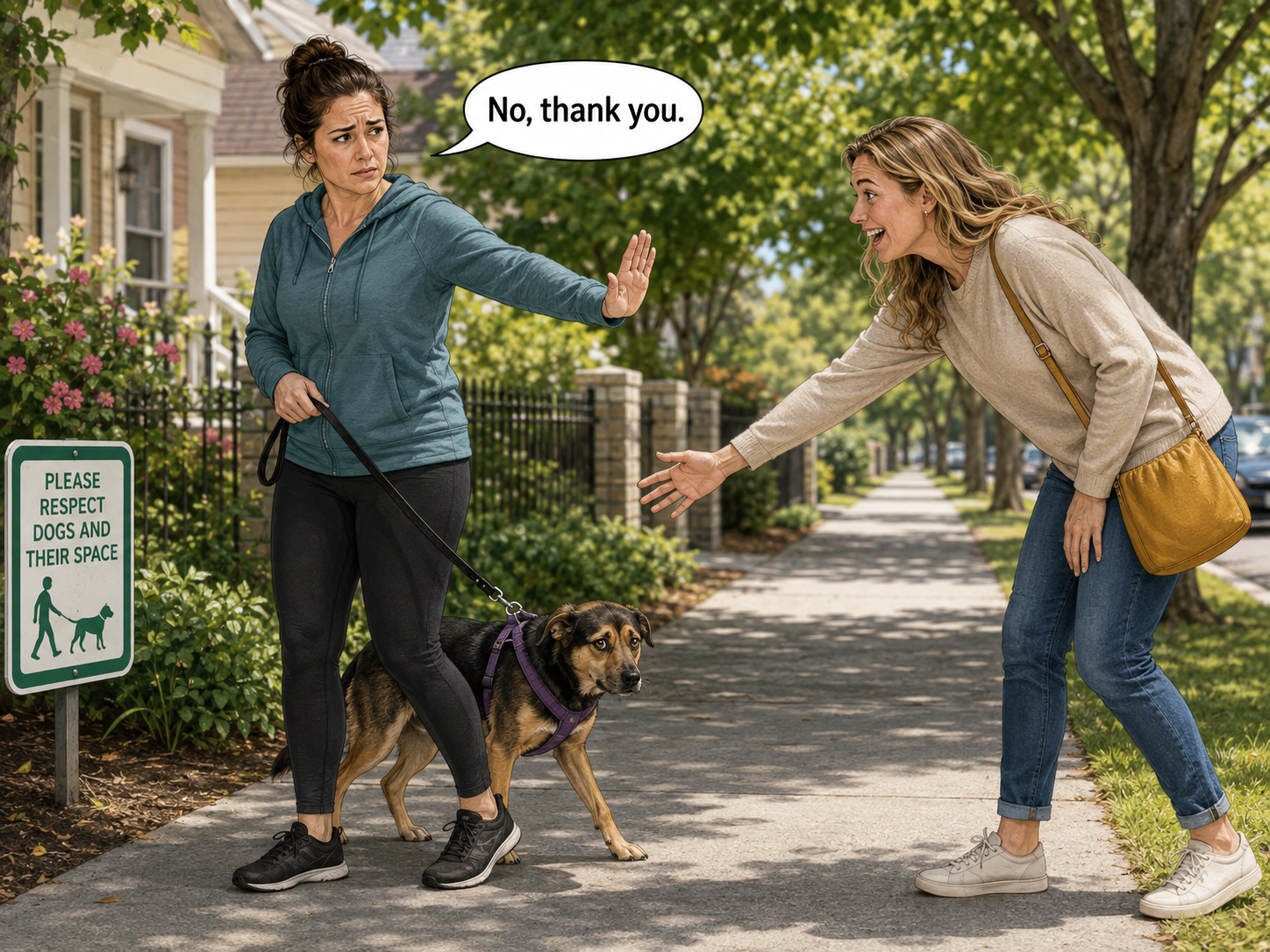
One of the biggest misconceptions in dog training today is the belief that socialization means exposing a puppy or dog to as many people and dogs as possible.
It doesn't.
Socialization is not about being touched by everyone, playing with every dog, or becoming the center of attention wherever you go.
Socialization is teaching a dog how to exist calmly and confidently in the world.
Dog Development Stages:
Most people think about dogs by their age.
Eight weeks.
Six months.
One year.
Seven years.
The problem is that dogs don't develop according to the calendar.
Their brain, emotions, confidence, hormones, and ability to learn are constantly changing throughout their life. Knowing what stage your dog is in helps you understand why certain behaviours appear, why training suddenly seems to stop working, and why patience at one age may need to become leadership at another.
Understanding your dog's developmental stages allows you to work with them instead of against them.

Why Raising a Puppy Is Like Raising a Child
Raising a Puppy is like a child.
The first year of a puppy's life lays the foundation for the dog they will become.
Every interaction, every routine, every rule, and every experience is helping shape their understanding of the world around them.

When your dogs behaviour starts controlling your life
A dog sitting for a treat does not mean the real problems are fixed.
Many owners have dogs that “know commands” but still:
pull on walks
ignore them outside
react to dogs or people
guard food or objects
create stress in the home
demand constant attention
create tension between family members
Obedience without leadership and structure falls apart the moment real life shows up.
That is why my work is not centered around simply teaching commands.
It is about changing the reality of living with your dog.
Dogs are meant to compliment our lives, not complicate it.
Puppy Socialization
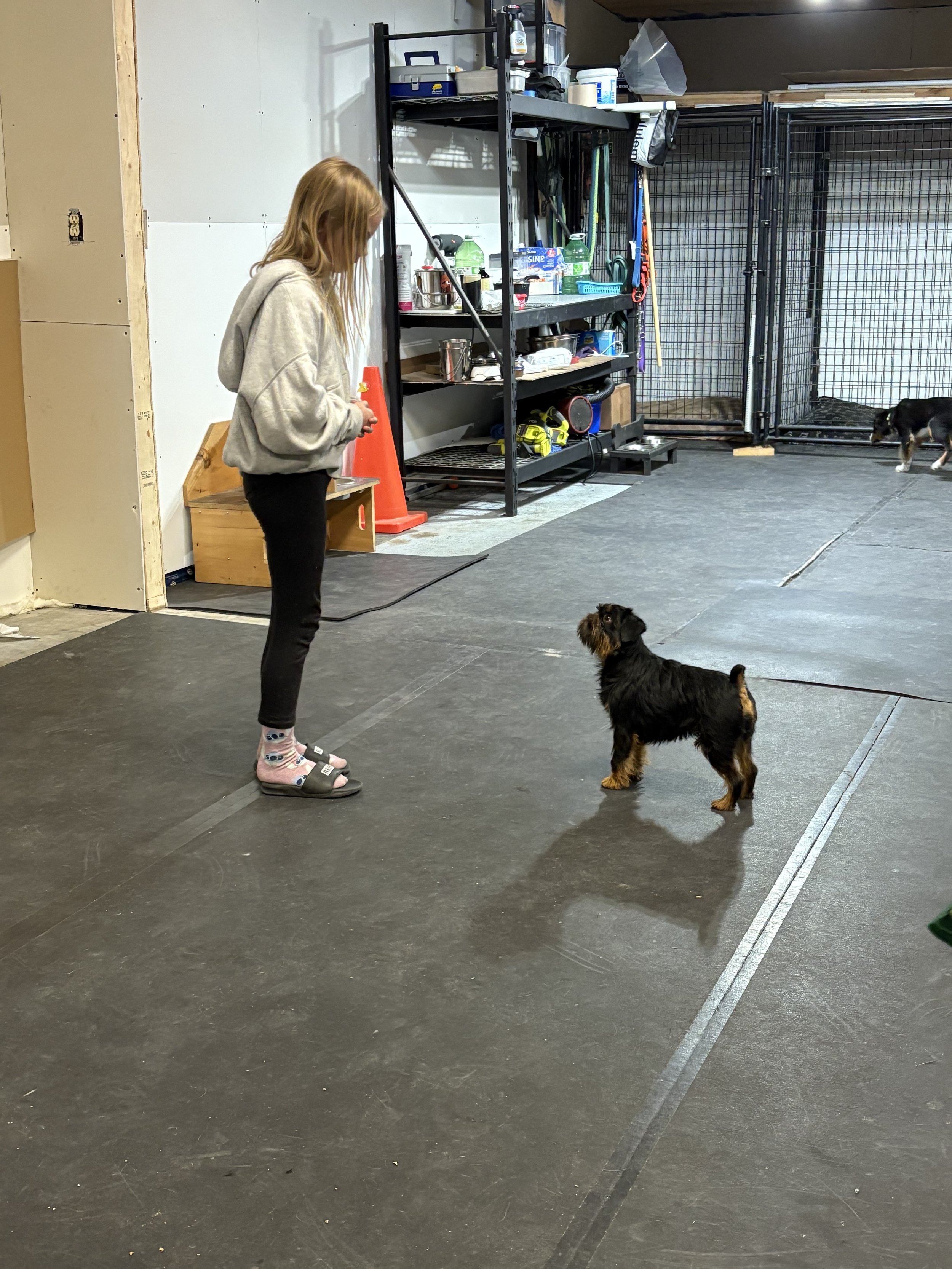
Most people think socialization means letting their puppy meet everyone.
So they allow pulling, jumping, excitement—and call it “friendly.”
Then a few months later, they’re dealing with a dog that can’t stay calm, won’t listen, and loses its mind every time it sees someone.
That’s not socialization. That’s training your puppy to ignore you.
There’s a simple way to teach your puppy to be calm, controlled, and still interact with people—without losing their head.

Who do you trust?
What’s your definition of Leadership? Which friend do you trust to take you through the dark.
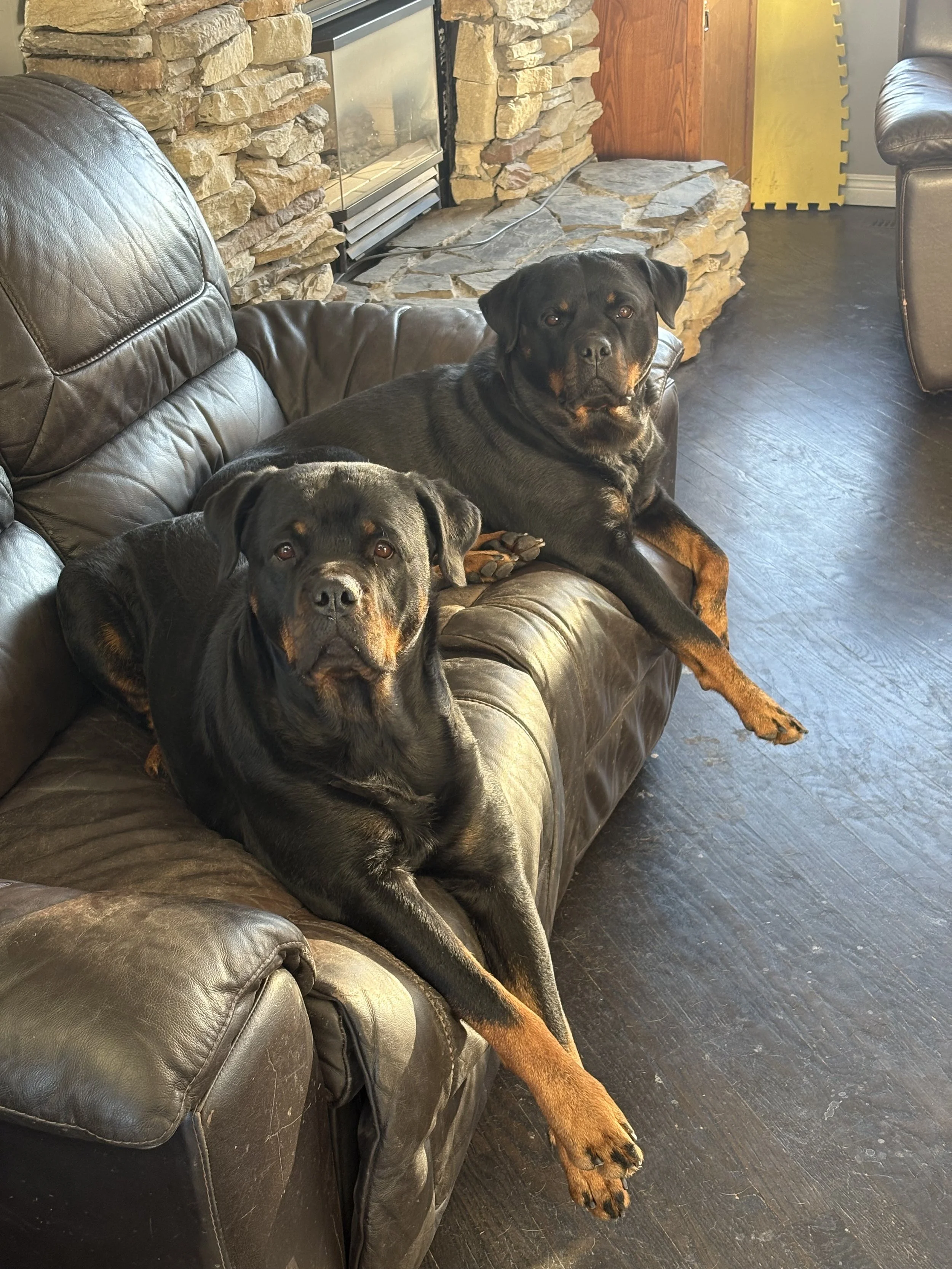
Dog Leadership vs Friendship: Are You Leading Your Dog or Just Being Their Buddy?
Before blaming the dog, the breed, the age, or the environment, ask yourself one honest question:
Am I acting like a friendly buddy—or a respected leader?
This isn’t about guilt. It’s about clarity.
The Self-Audit Most Owners Avoid. Answer the following questions yes or no. No explanations. No “sometimes.”
Why Your Dog Isn't Learning
Why Your Dog Isn’t Learning — And Why Classes Don’t Fix What You Won’t Own
Most dog owners believe the same three things:
A trainer needs to see the dog to understand the problem
Group classes are how dogs learn
Their dog is the one causing the issue
All three are wrong.
And until we’re honest about that, nothing changes.

the human, not the dog
Before techniques.
Before drills.
Before obedience.
Dog training starts with the emotional state of the human.
No matter what a dog is presenting—reactivity, fear, aggression, shutdown, or overexcitement—the strongest influence is what the person brings into the picture. That doesn’t mean people are doing something wrong. It means something important often goes unseen.
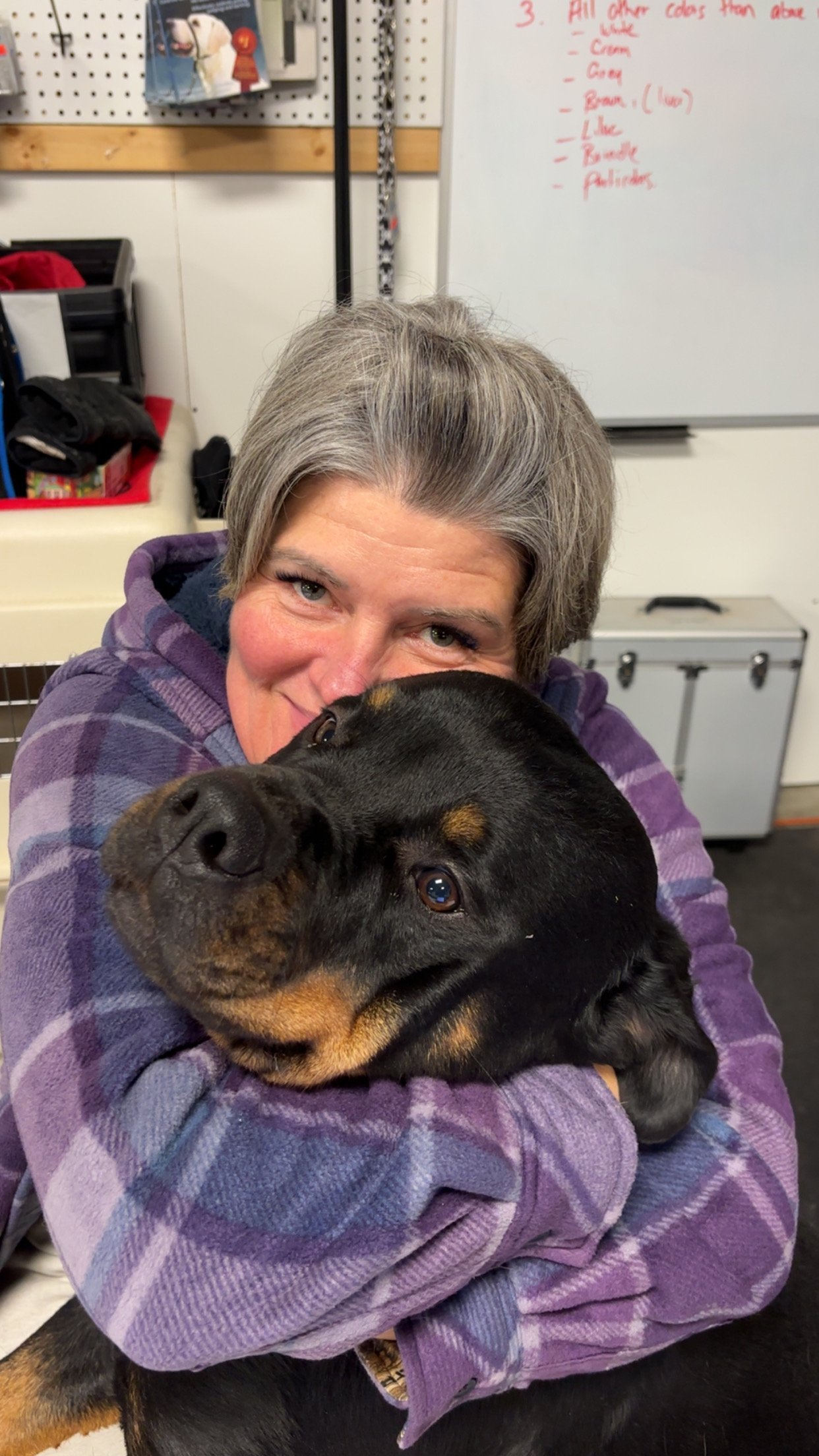
leadership, the foundation of training
Leadership Isn't Mean.
One of the biggest reasons dogs don’t listen isn’t stubbornness, dominance, or attitude.
It’s unclear leadership.
Most people want their dog to listen — but they don’t want to be “harsh,” “bossy,” or “mean.”
So they soften everything.
They hesitate.
They talk too much.
They let things slide.
And the dog stops listening.
Your Dog Doesn't Need Another Class.
If you’ve tried group classes…
watched YouTube videos…
or been told to “just be more consistent” —
and nothing actually changed…
This isn’t because your dog is broken.
And it’s not because you’re failing.
It’s because obedience isn’t the problem.
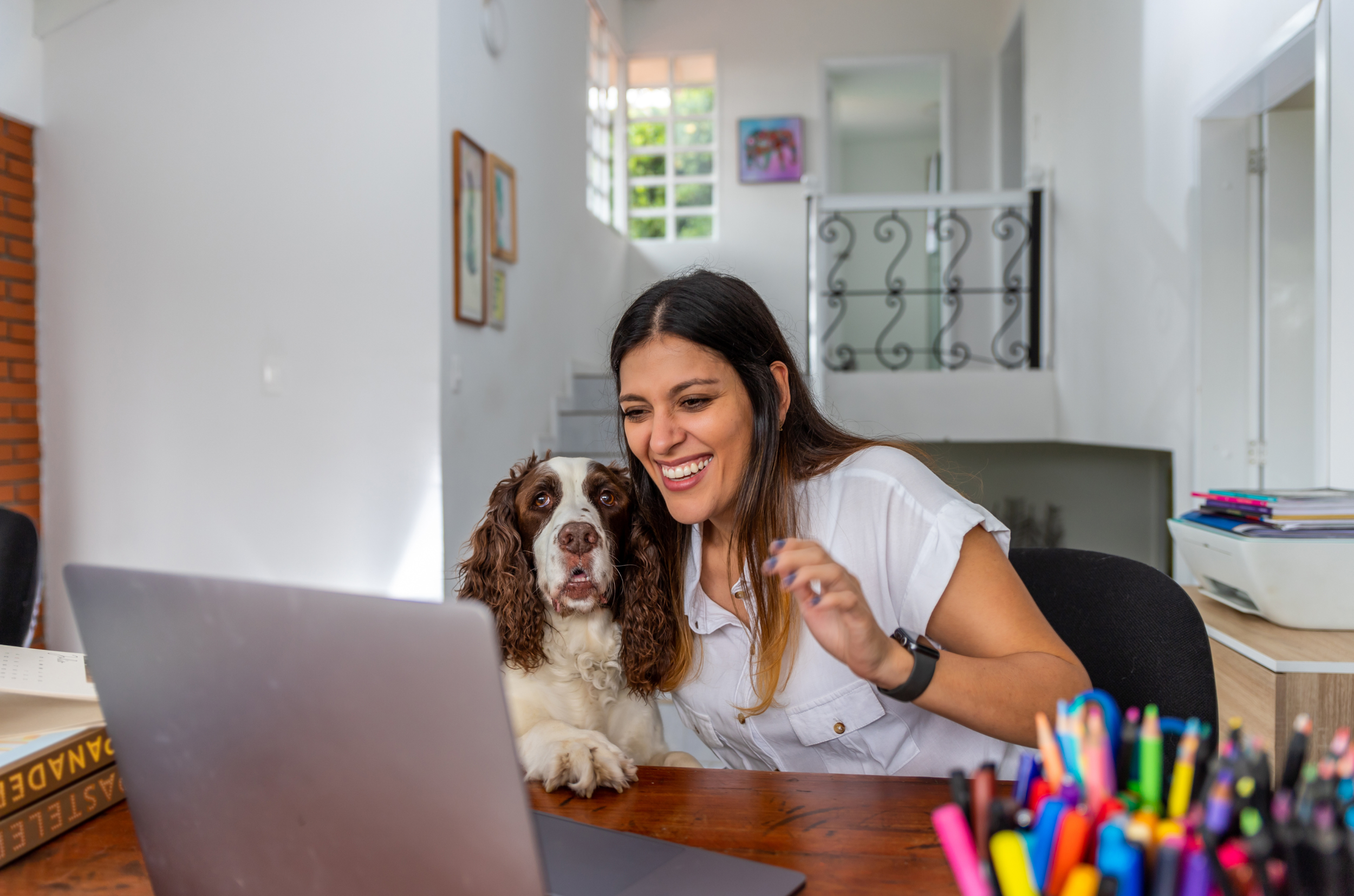
online vs. In person Training
There’s a lot of confusion about whether virtual dog training can be “as good” as in-person. The truth? Both options work — but they work differently, and each has its strengths. What matters most is choosing the format that gives you the right coaching, the right understanding, and the right follow-through for your situation.
Here’s an honest comparison so you can see what fits your goals.

Dogs Fearful of people
How to Build Confidence, Trust, and Leadership
Why Fearful Dogs Struggle Around People
Fearful dogs don’t want strangers touching them, crowding them, or stepping into their space. When a dog lacks confidence, they need leadership, protection, and predictable rules — not forced socializing
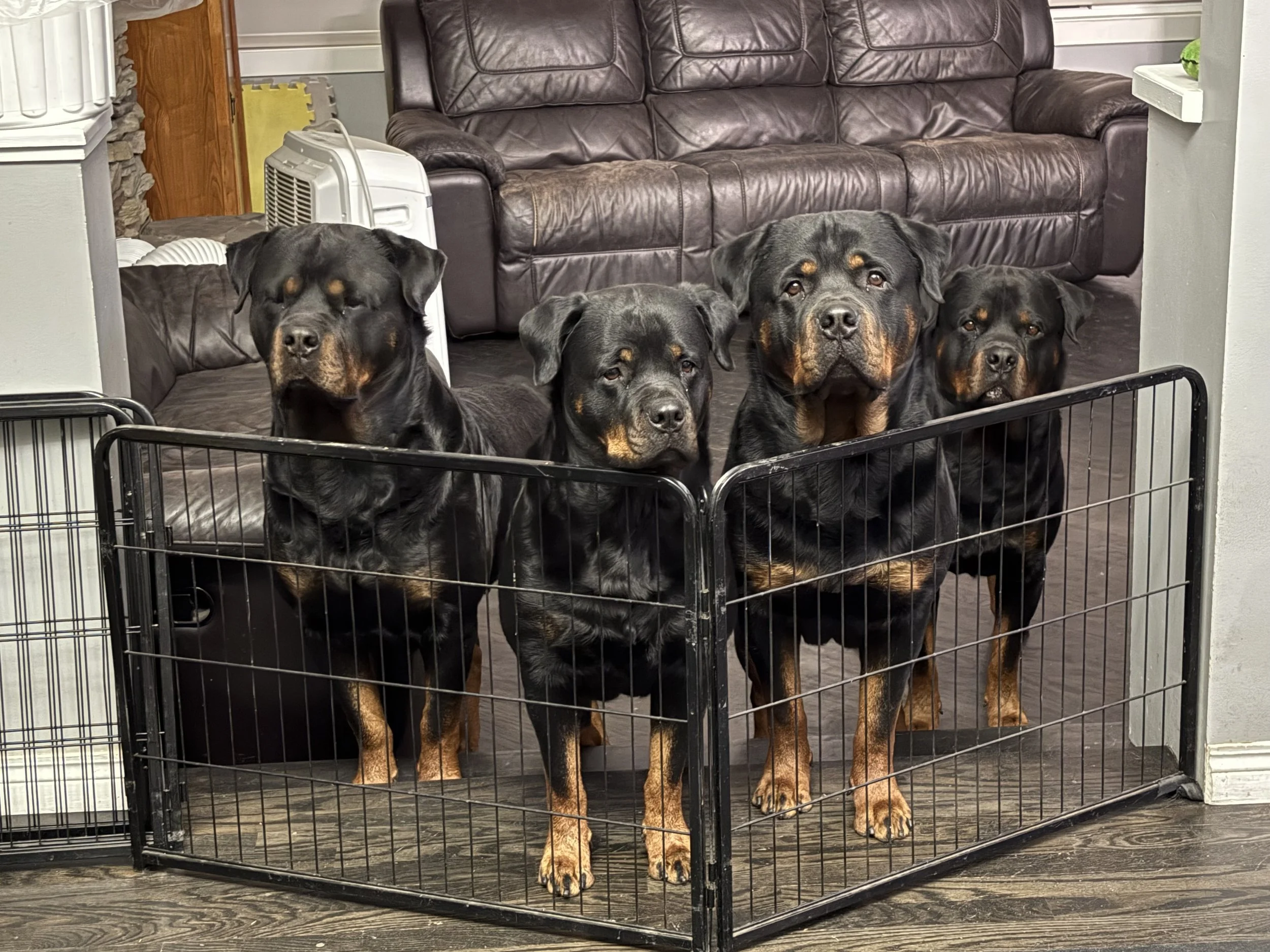
rules and Boundaries
Rules and boundaries in the home aren’t about being “strict.” They’re about providing clarity. Your dog needs to know what’s expected, what’s allowed, and what’s not. When you set those lines consistently, you give your dog something priceless: security.

Possession in dogs! its all mine
All dogs have some degree of resource guarding — it’s hardwired into survival.
From the beginning of time, dogs (and their ancestors) have had to compete for food, shelter, and mates. In today’s world, that instinct shows up as possession aggression — when a dog guards food, toys, people, or even spaces.
How much your dog guards depends on their personality, early experiences, genetics, and how you respond when it happens.
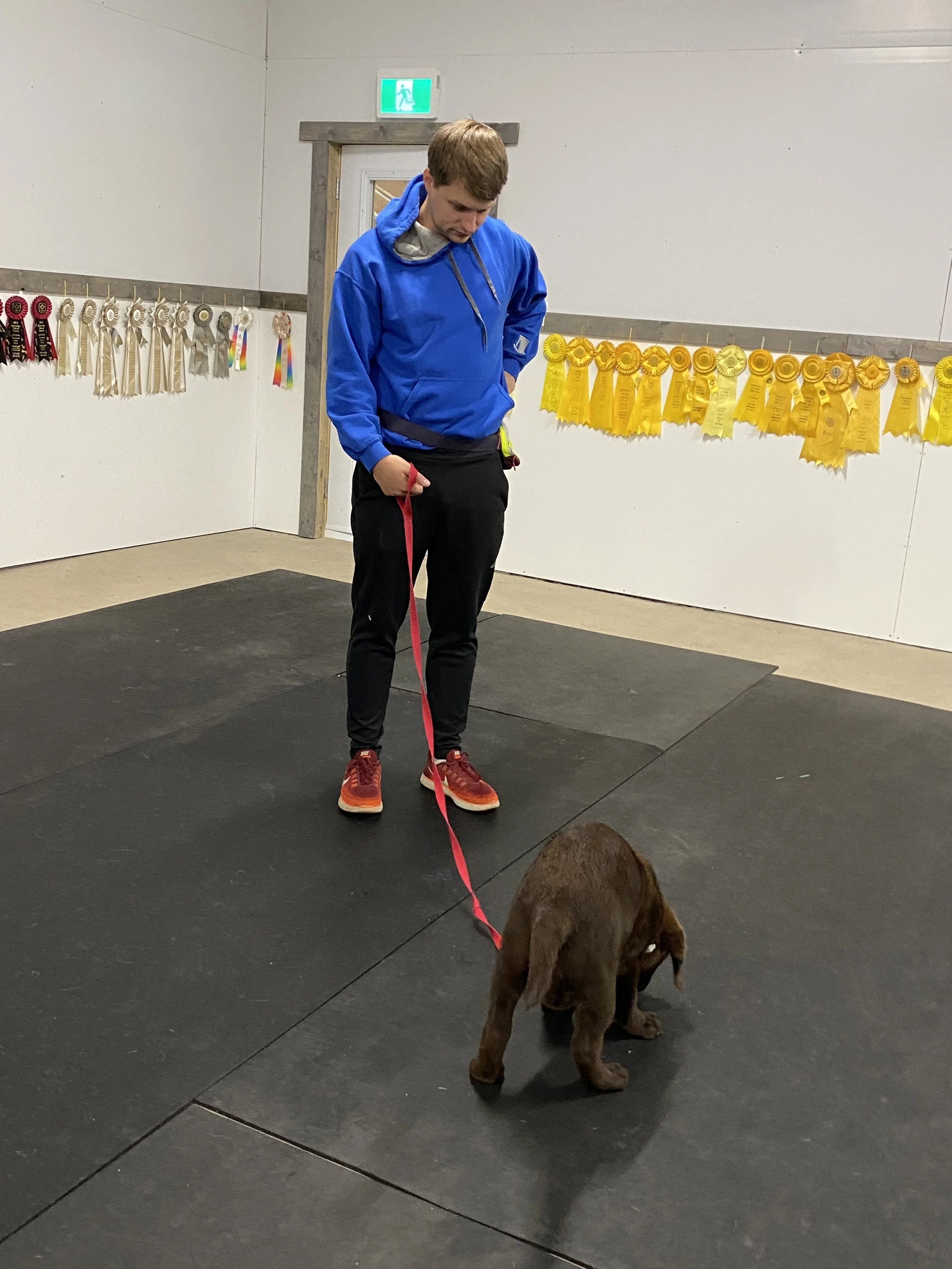
Drag the Leash
One of the most overlooked training tools isn’t new—it’s your leash.
Dragging a leash indoors gives you calm control, better communication, and helps prevent problem behaviors before they start. Whether it’s stopping a puppy from playing “catch me if you can” or managing an adult dog that ignores commands, the leash becomes an extension of you—quiet, clear, and effective.

When punishment backfires.
One of the biggest mistakes I see dog owners make is trying to punish behaviors that come from fear, stress, or frustration.
It might look like “bad behavior,” but in reality, the dog is reacting to get away from something that feels uncomfortable or scary.
That’s what’s called negative reinforcement — when a dog does something that helps them avoid or stop something unpleasant.
The tricky part? If we add punishment on top of that, we often make the behavior stronger, not weaker.
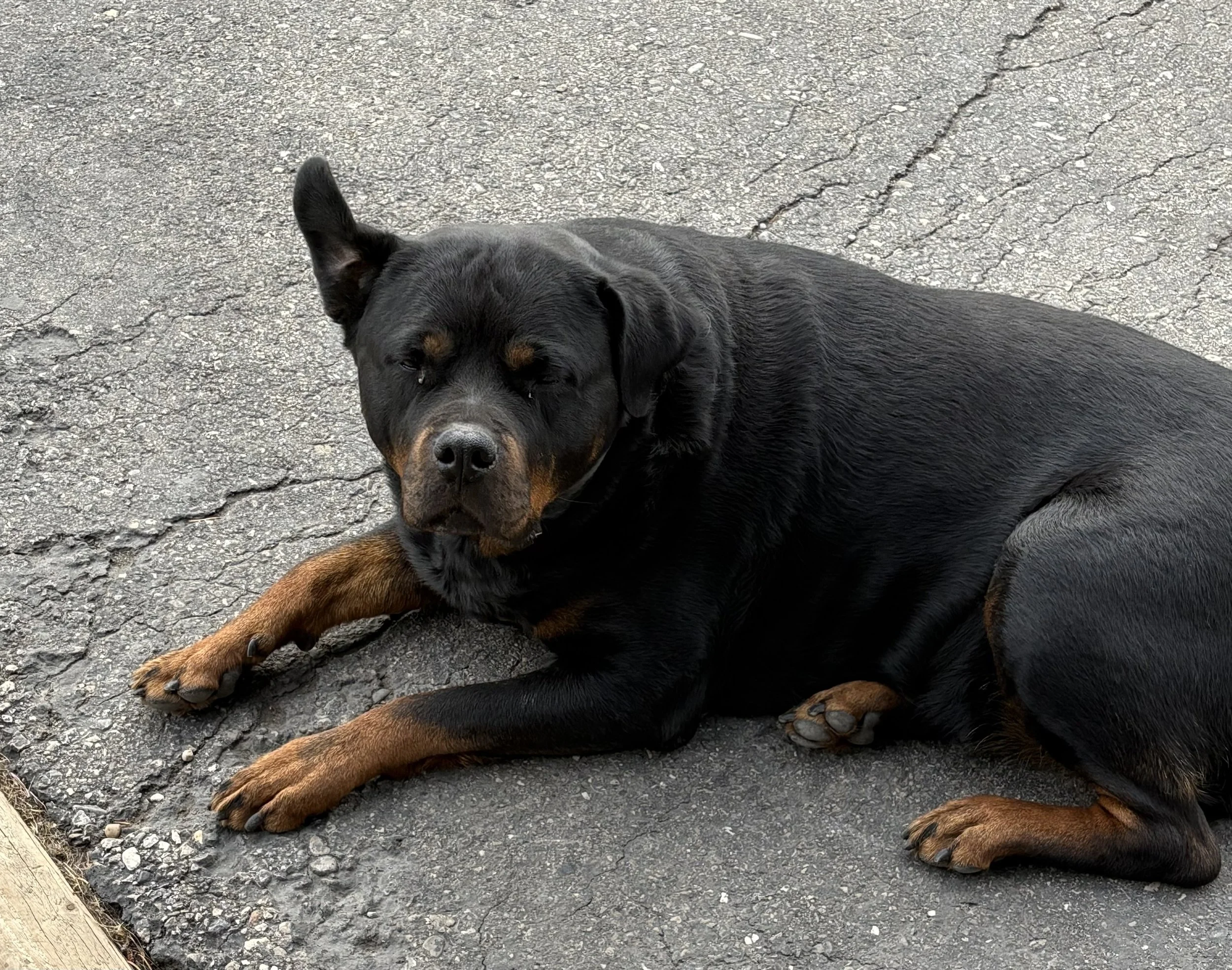
Dog is actually a language!
n today’s world, dogs are everywhere. If your neighbor doesn’t have one, the person across the road probably has five.
Yet even though we share homes, sidewalks, and parks, dogs are an entirely different species.
They don’t speak with words — they speak with body, energy, and movement.
“Thinking we know what a dog is saying, when we actually don’t, is why people are frustrated and why they get bit.”

Dogs Communicate Through Body Language
Dogs may not speak our language, but they’re communicating all the time.
Every tail wag, ear flick, or head turn tells a story — if you know how to read it.
Understanding dog body language isn’t just about curiosity. It’s about safety, respect, and better communication.
Misreading a signal can lead to fear, conflict, or even a bite. Reading it right helps you respond calmly and confidently.
